
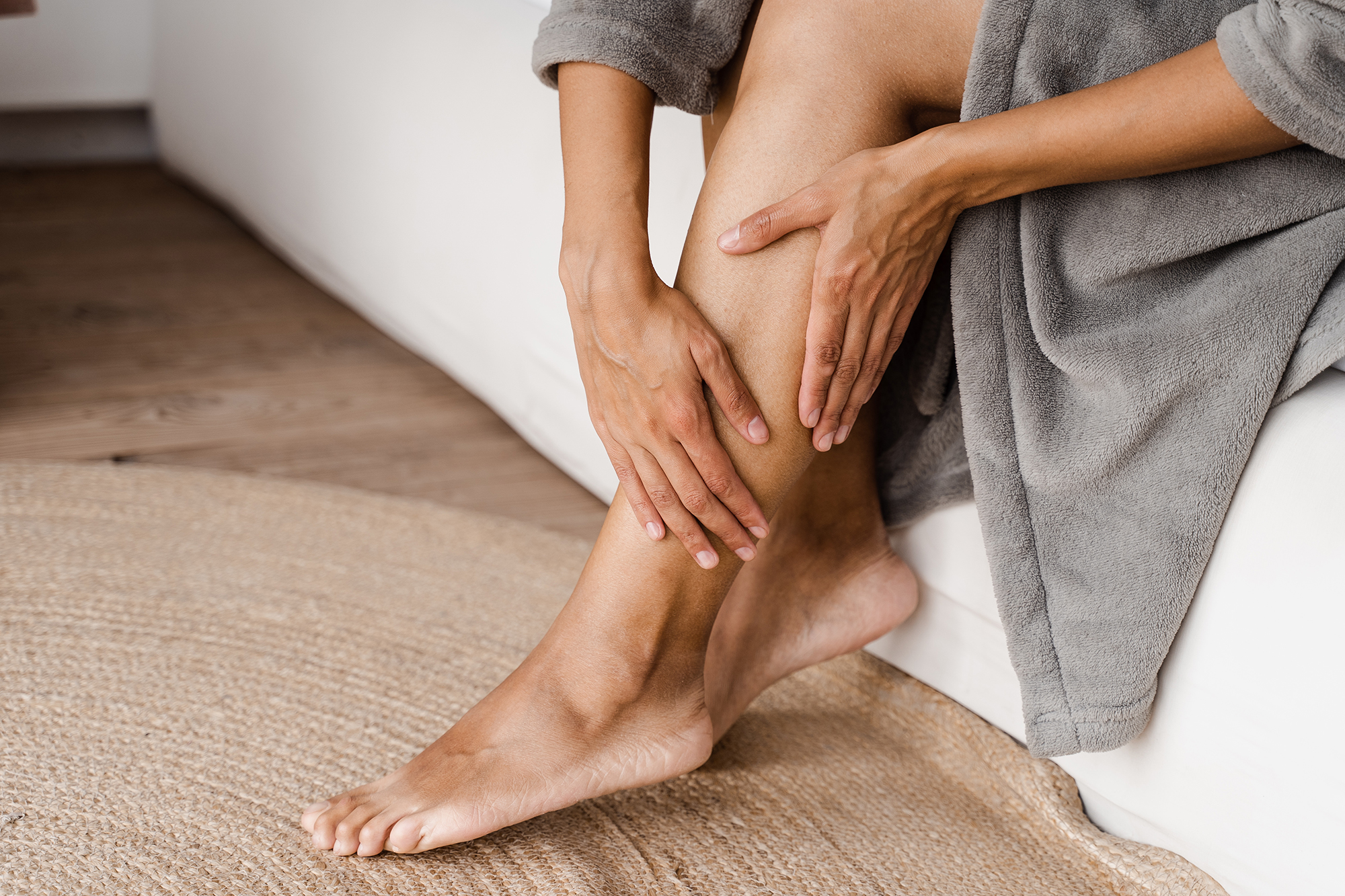
It Could Be Vascular Disease.

Bulging veins, leg heaviness, or swelling aren’t just about appearance – they may be signs of an underlying circulation problem.
What are Varicose Veins?
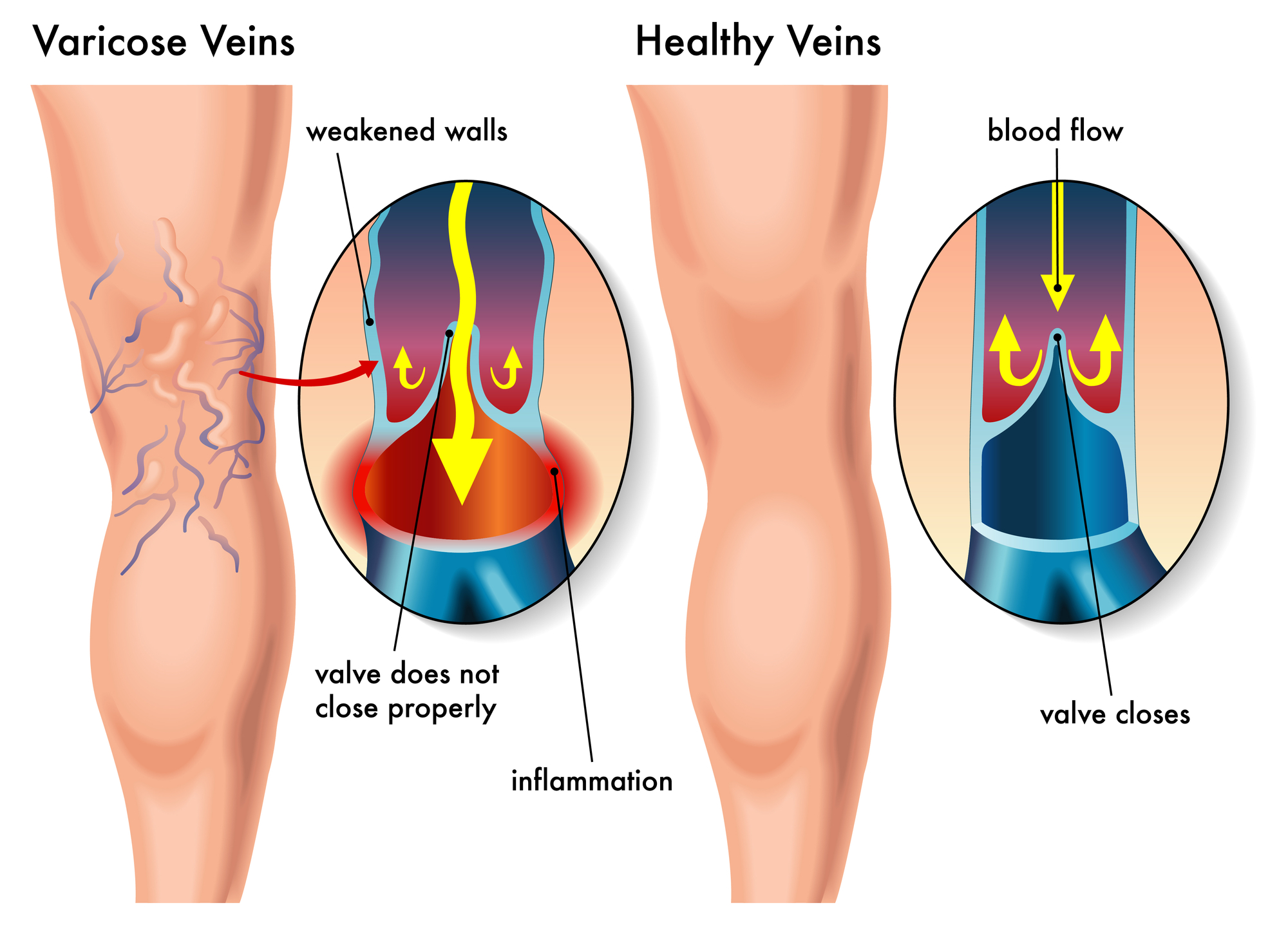
Varicose veins are enlarged, twisted veins – most commonly in the legs – caused by poor blood flow and weakened vein valves. Instead of moving upward toward the heart, blood pools in the veins, causing them to stretch and become visible. They may appear as:
- Bulging blue or purple veins
- Spider-like red or webbed veins
- Raised, rope-like veins under the skin
But here’s what most people don’t realize: They’re often a sign of an underlying vascular condition – not just a cosmetic issue.
6 Stages of Varicose Veins
Stage 1: Spider Veins (C1)
Small, thin red or blue veins that appear close to the surface of the skin.
- Often seen as a cosmetic issue
- Usually painless, but can signal early vein dysfunction
Stage 2: Varicose Veins (C2)
Larger, twisted, bulging veins that are clearly visible.
- May cause aching, heaviness, or discomfort
- This is when most people begin to notice a problem
Stage 3: Swelling (Edema) (C3)
Persistent swelling in the legs or ankles due to fluid buildup.
- Often worse at the end of the day
- Indicates worsening circulation
Stage 4: Skin Changes (C4)
Small, thin red or blue veins that appear close to the surface of the skin.
- Brown or dark discoloration
- Dry, itchy, or inflamed skin
- Early signs of tissue damage
Stage 5: Healed Ulcers (C5)
A previously open wound (ulcer) that has healed.
- Indicates advanced vein disease
- High risk of recurrence without treatment
Stage 6: Active Ulcers (C6)
Open, non-healing wounds typically near the ankle.
- Can be painful and prone to infection
- Requires immediate medical care
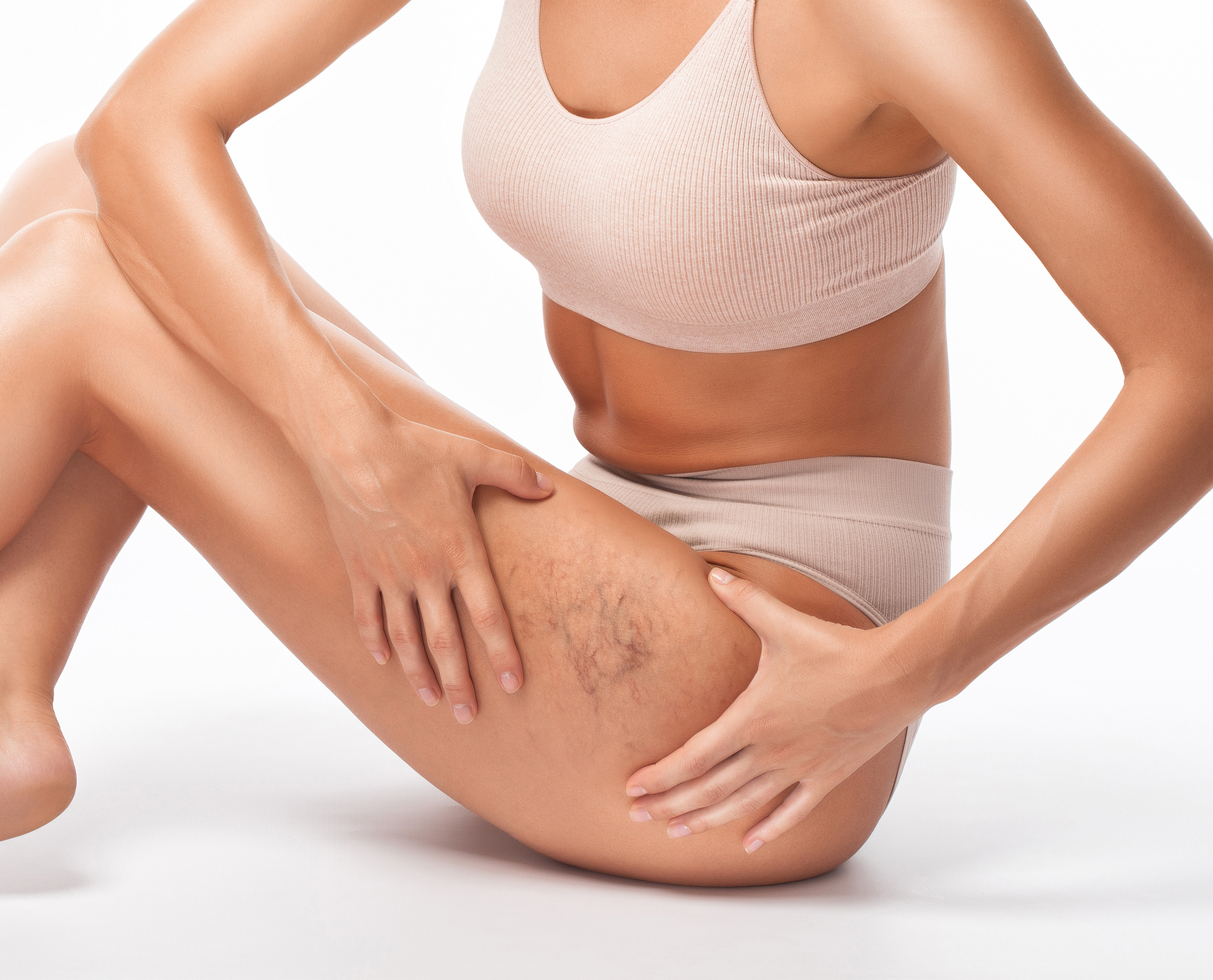
Do Your Legs Feel Like This?
If so, you may have a vascular issue if you experience:
- Heavy, tired, or aching legs
- Swelling in your legs or ankles
- Burning, throbbing, or cramping
- Itching around visible veins
- Pain that worsens after sitting or standing
- Skin discoloration or irritation
These symptoms are commonly overlooked – but they can indicate circulatory dysfunction that worsens over time.
It’s Not Just About Looks – It Can Get Worse
Many people delay treatment because they think it’s just cosmetic. In reality, untreated vein disease can lead to:
- Chronic swelling
- Skin damage and discoloration
- Painful ulcers (open wounds)
- Increased risk of blood clots
Varicose veins can progress if left untreated, especially when caused by valve dysfunction in the veins. The earlier it’s treated, the easier it is to manage.
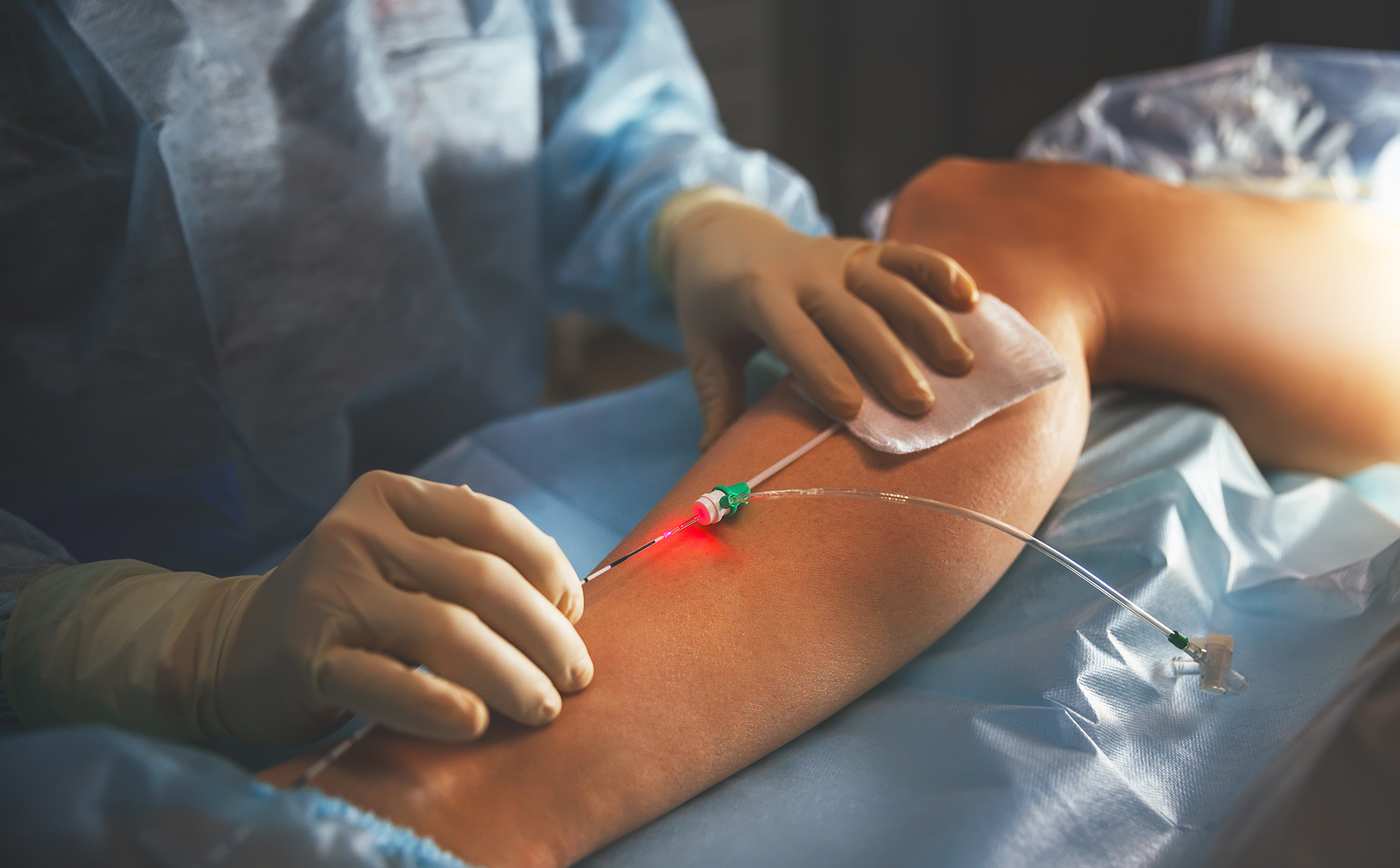
Why Does This Happen?
Your veins rely on tiny valves to keep blood flowing in the right direction. When those valves weaken:
- Blood flows backward
- Blood pools in the vein
- The vein stretches and becomes visible
Common risk factors include:
- Standing or sitting for long periods
- Age and genetics
- Pregnancy or hormonal changes
- Excess weight
- Sedentary lifestyle
This is why even healthy, active people can develop vein issues.
Don’t Ignore the Signs!
If you’re noticing visible veins, leg discomfort, or swelling – it’s time to get checked.
Early evaluation can prevent bigger problems later. Schedule your vascular consultation today.